
Productos

Nosotros nosotros No solo vea nuestros productos como "productos químicos", sino como "soluciones" Eso puede traer valores y resolver los problemas de nuestro Socios.

Nuestra aplicación

Nosotros nosotros No solo vea nuestros productos como "productos químicos", sino como "soluciones" Eso puede traer valores y resolver los problemas de nuestro Socios.

Por qué elegirnos

La calidad está en el corazón de todo Nosotros nosotros.

Lo que dicen nuestros clientes

Nuestro código de conducta es su socio responsable y confiable.

bradley W. de Mexico
"Allí son socios de canal que están justo en la lista, y luego hay Quien realmente puedes confiar en & Ir al mercado con. Sunman es un verdadero "socio" quien entiende nuestro negocio y nos da más grande apoyo. Ese Es por eso que nuestro negocio continúa creciendo con Sunman cada año ".
Ver más
 Gaurav R. de la India
Gaurav R. de la India
Nosotros nosotros han cooperado con Sunman Empresa durante algunos años, y ellos Siempre piense en el del cliente lado. Ellos Tener equipos profesionales para lidiar con diferentes problemas o solicitudes. Así que siempre sabes a quién quieres hablar.
Ver más
 Piyaporn  S. desde Tailandia
Piyaporn S. desde Tailandia
Nosotros Estamos completamente satisfechos con los productos de alta calidad y excelente servicio que obtenemos de Sunman esperamos trabajar con ellos de nuevo en el futuro.
Ver más
kobus M. de Sudáfrica
Este es mi Tercera vez utilizando materias primas de Sunman yo Recomiendo encarecidamente esta empresa. Tuve una importante escasez de materias primas Problema. Pero ellos siempre extiende su Servicio Al ayudarnos a encontrar una fuente alternativa de material rudo para encontrar crudo. Llamo ellos para todos mi necesidades!
Ver más
Jeffrey H. de Indonesia
Esta tarde expresé mi agradecimiento a su equipo. Hicieron un trabajo maravilloso. Fue un placer trabajar con ustedes. Sin duda, recomendaré su empresa a cualquier cliente potencial que busque... resinas para tinta de impresión . Una vez más, gracias a ti y a todo tu equipo.
Ver más
Ellyn, IL de Brasil
Ellyn, IL de Brasil
Nosotros nosotros Apreciado que trabaja con nosotros para proporcionar la solución más eficiente para nuestros recubrimientos. Necesidades. Usted Fue más allá del trabajo satisfactorio a la excelencia. Gracias por ti!
Ver más
Últimas noticias

Nuestro código de conducta es su socio responsable y confiable.

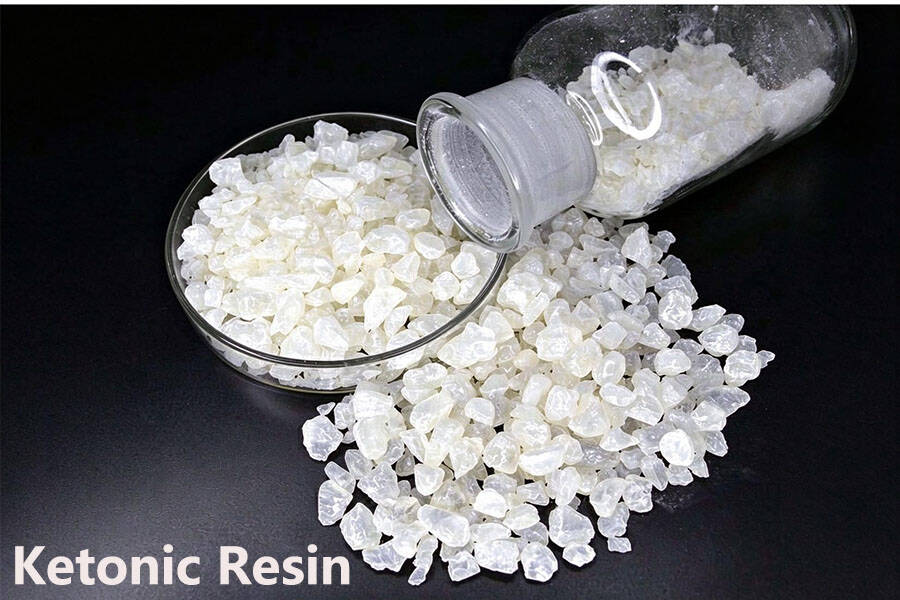
Simple Guide to Choosing the Right Ketone Resin
Nov 04, 2026 Simple Guide to Choosing the Right Ketone Resin
Synthetic ketone resins are versatile thermoplastic materials widely used in industrial formulations such as inks, coatings, adhesives, and paints. They are produced through controlled ketonization reactions, yielding polymers with excellent solubility, chemical resistance, and film-forming properties. Unlike natural resins, these resins are engineered to achieve precise performance, offering consistent viscosity and melting behavior.   These resins serve as backbone components in many chemical formulations. They not only enhance adhesion and gloss but also ensure fast drying and compatibility with various solvents. Their synthetic resin origin allows control over molecular structure, which directly affects key factors such as hardness, flexibility, and yellowing resistance.   What makes synthetic ketone-aldehyde resins unique is their ability to bind well with pigments and other additives without compromising the integrity of the application system. As demand for high-performance coatings and inks grows, selecting the right synthetic ketone resin becomes increasingly critical—especially when considering viscosity and melting range.   Industrial Significance and Core Properties Synthetic ketone resins appear chemically simple but offer multifaceted utility in industrial chemistry. Their low acid value, excellent pigment wetting performance, and good thermal stability make them suitable for demanding applications such as high-speed printing or precision coating.   Common characteristics include: • Soluble in ester, alcohol, and hydrocarbon solvents • Stable performance under different humidity and temperature conditions • Compatible with nitrocellulose, alkyd resins, and acrylic resins • Fast solvent release and minimal odor   Industries prefer these resins because they can adjust the flow and viscosity of formulations. Their applications range from mass production of ballpoint pen inks to specialized flexographic printing.   Key Parameters: Viscosity and Melting Range   Significance of Viscosity in Resins Viscosity is a fundamental parameter defining the flow behavior of resins. In synthetic ketone resins, viscosity affects not only processing performance but also final film quality. Manufacturers typically report viscosity in centipoise, depending on the test method and temperature.   For example, AH-110 exhibits low viscosity, making it ideal for formulations requiring easy flow and fast drying—such as general-purpose inks. On the other hand, AH-130 has a high viscosity range, suitable for pigment dispersions requiring strong film integrity and high gloss.   Proper viscosity selection ensures: • Adequate pigment dispersion • Reduced nozzle clogging • Smooth coating on various substrates • Stable rheological properties under different thermal conditions It is not just a matter of flow—viscosity may also affect how synthetic resins interact with other binder systems, solvents, and pigments. Therefore, ...
Ver más
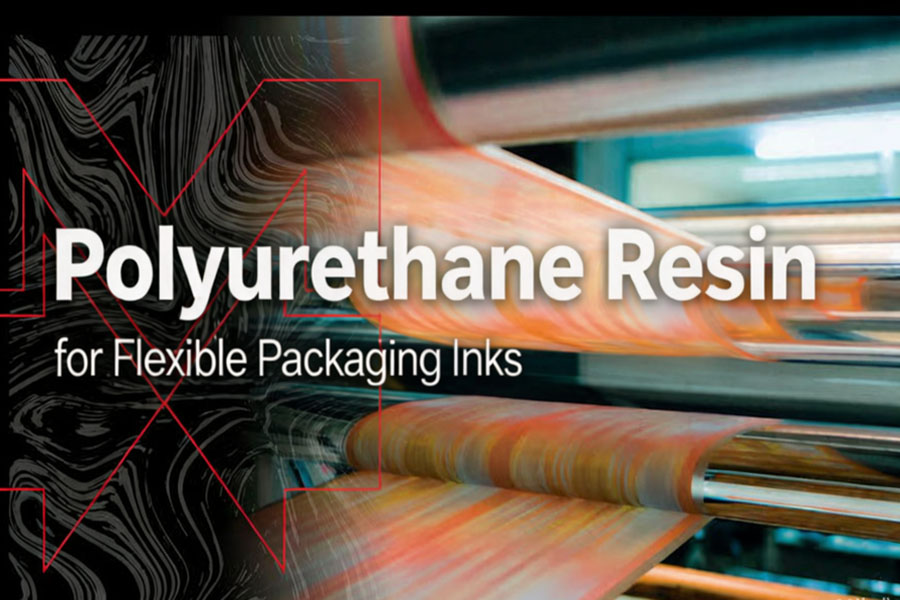
Why Flexible Packaging Inks Depend on Polyurethane Resin?
Oct 09, 2026 Why Flexible Packaging Inks Depend on Polyurethane Resin?
Flexible packaging inks must deliver strong adhesion, high gloss, good flexibility, lamination and retort resistance, and smooth performance on high-speed presses. Polyurethane resin have become one of the most widely used binder systems because they meet these demanding requirements better than many alternative chemistries. Flexible packaging is usually printed on plastic film and then laminated with other layers. PU resins adhere well to many plastic substrates, stay flexible through folding and handling, and resist the solvents and adhesives used in lamination. This makes them practical for applications ranging from dry snack packaging to retort pouches. Key Performance Benefits: Adhesion and lamination bond strength: Film-forming PU resins bond firmly with laminating adhesives, reducing the risk of delamination during storage, transport, or final use. Gloss, color, and print quality: PU resins help pigments disperse evenly, delivering vibrant graphics and consistent color over long production runs. Flexibility and mechanical stress: Printed films can bend and fold without cracking or losing adhesion, unlike more brittle resin systems. Retort and heat resistance: Retort-grade PU resins maintain bond strength under high heat and pressure, helping prevent delamination or seal failure during sterilization. NC-Free PU Inks and Sustainability The shift toward nitrocellulose-free PU inks is growing because nitrocellulose raises concerns about flammability, storage safety, and supply stability. NC-free PU systems maintain flexibility, adhesion, and gloss while supporting lower solvent content and better recyclability. Plasticized PU Resins for Laminating Adhesives Plasticized PU resins improve the flexibility and bond strength of laminating adhesives, especially for frozen and refrigerated packaging. They remain flexible across a wide temperature range, helping protect package integrity throughout the cold chain. Choosing the Right Grade Sunman can supply different type PU resin. Formulators should consider molecular weight, solvent compatibility, film-forming speed, substrate, printing process, and end-use conditions. Working early with an experienced PU resin manufacturer can speed up grade selection and reduce costly trial cycles. PU vs. Other Binders Nitrocellulose, polyamide, and acrylic resins still serve specific or cost-sensitive applications. However, PU resins offer a strong balance of flexibility, lamination bond strength, and sustainability. The right choice depends on the packaging application’s cost and performance needs. If you need more informations or TDS with different grade about PU resin, pls contact with us.
Ver más
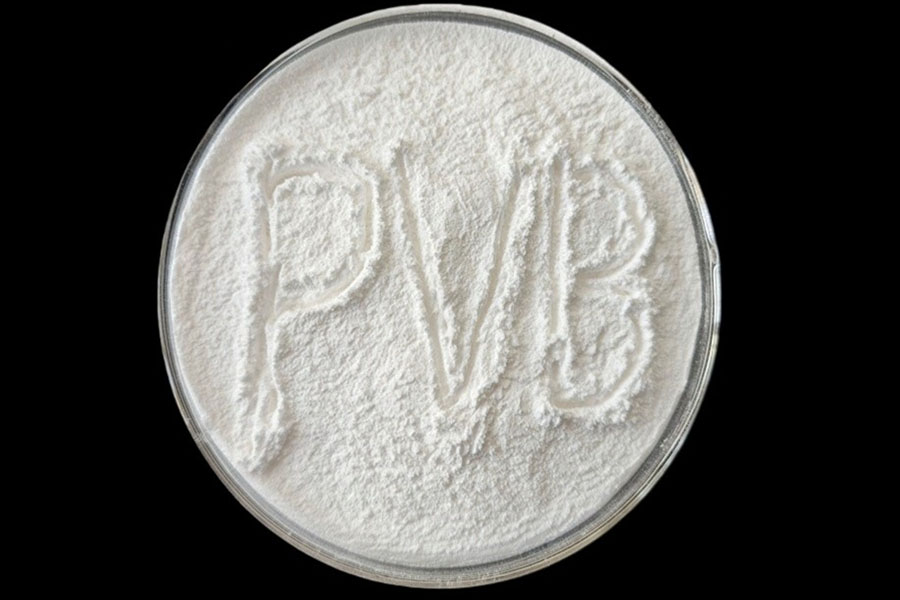
¿Para qué se utiliza la resina PVB?
Sep 18, 2026 ¿Para qué se utiliza la resina PVB?
Resina PVB(Polivinil Butiral) es ampliamente utilizada debido a su adhesión, flexibilidad, tenacidad y formación de película transparente. Como capa intermedia en vidrio de seguridad laminado, el PVB une las capas de vidrio y mejora la resistencia al impacto. En recubrimientos y pinturas, mejora la formación de película, la adhesión, la flexibilidad y la protección de la superficie. También sirve como aglutinante para sistemas solubles en alcohol o basados en solventes en tintas de impresión, y puede funcionar como un aglutinante temporal o auxiliar de procesamiento en cerámica. Las aplicaciones de la resina PVB incluyen: recubrimientos, tintas, imprimaciones de lavado, sustratos cerámicos, compuestos, adhesivos estructurales, capas intermedias de vidrio de seguridad laminado, moldeo por inyección de cerámica y papel aluminizado al vacío. La pregunta clave para los compradores Para los compradores, la pregunta crítica no es simplemente "¿Se puede usar PVB en mi producto?". Una pregunta más útil es: "¿Qué grado de PVB se adapta mejor a mi sistema de solventes, objetivo de viscosidad, sustrato, método de procesamiento y requisitos de rendimiento final?" Cómo elegir el grado de resina PVB adecuado La selección de la resina PVB debe estar determinada por la aplicación final: Tintas de impresión: Verifique la solubilidad, la liberación de solventes, la humectación de pigmentos, la adhesión a la película o al papel y la transferencia final de tinta. Recubrimientos: Verifique la dureza de la película, la flexibilidad, la adhesión, la claridad, la resistencia química y la compatibilidad con otras resinas. Vidrio de seguridad laminado: Priorice la claridad óptica, la resistencia mecánica, el control de la humedad y la estabilidad a largo plazo. Sunman ofrece tipos de productos PVB desde A-10 hasta A-70, con rangos variables de viscosidad, contenido volátil, contenido de polivinil butiral, contenido de hidroxilo, viscosidad rotacional y cenizas. Esta amplia gama de grados permite a los formuladores seleccionar el PVB basándose en requisitos prácticos de procesamiento y rendimiento en lugar de conformarse con un grado de uso general. Un proceso de selección práctico debe incluir pruebas de muestras. Los compradores deben preparar una pequeña solución de resina utilizando el sistema de solventes previsto, verificar el tiempo de disolución, comprobar la claridad, realizar una prueba de filtración y evaluar el comportamiento de la película. En los sistemas de recubrimiento y tinta, la resina también debe probarse con pigmentos, aditivos y el sustrato final. Así que si está interesado y necesita muestras para realizar pruebas, contáctenos ahora.
Ver más
Chatea ahora
Chatea ahora
Si Usted está interesado en nuestros productos y desea saber más detalles, deje un mensaje aquí, le responderemos tan pronto como nosotros ... puedamos.

Casa

Productos

acerca de

contacto